
I nearly had a massive ugly cry in the local public library.
I’d just started reading “The Life of Dai,” which beautifully captures the experience of going through a health crisis without being bleak. I don’t have cancer, but my condition has its parallels. The book hit something I wasn’t ready for.
I’m not against crying. But it’s not something I do with ease. Despite my best efforts, there’s something in me that fights it on a very deep level. A good cry has huge benefits. There are times I’d love the release of a massive sob. But for me, it remains elusive. My emotional white whale.
The hardest part of my situation isn’t the physical pain or the medication side effects. It’s the mental load. Now that I’m out of hospital, I’m trying to deal with the ramifications of the new me. I find myself wondering if fairly mundane situations are putting my life at risk. Trying a new kitchen appliance. Using my work backpack with magnetic clasps. Deciding what foods are best for my health. It’s mentally crippling if I don’t allow for it.
The Numb Phase
During the initial phase, I felt a sort of numbness. A fight-or-flight response where feelings just blank out. Everything becomes practical. My reasoned side takes over: Step aside, feelings. This is a job for logic.
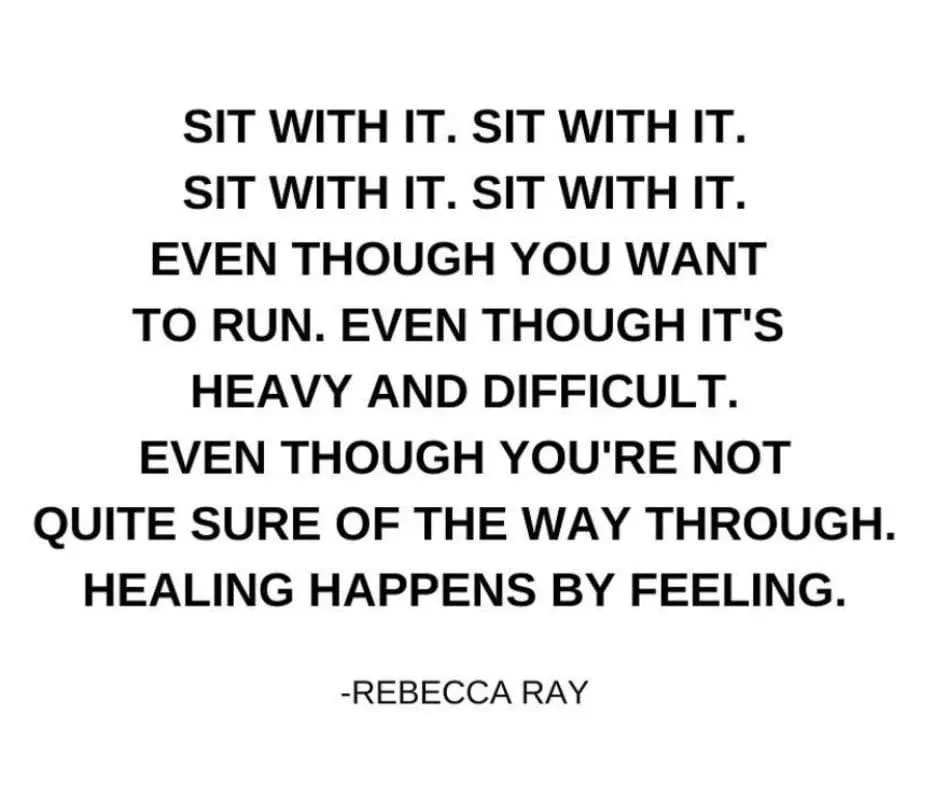
Then, with distance from the initial shock, that mechanism wanes and all those feelings come rushing back. It’s overwhelming. Healing happens by feeling, apparently. But that’s little comfort in the moment.
Fear, Uncertainty, and Doubt
I remember the first time I felt fear in the hospital. I’d been allowed out of bed for the first time to take a shower. Boy, did I need that shower. Despite the awkwardness of trying to wash while keeping the heart monitor dry, it felt nice to get clean.
That night, drifting off to sleep, a thought hit me: If I don’t wake up in the morning, that will deeply harm the kids.
It was dramatic. But my heart rate had been so low that it was a real possibility until I had surgery. This realisation brought guilt. I felt like I was inflicting pain on the people who matter most. My practical mind tried to rationalise. The leads attached to me would alert staff if my heart stopped. But rationalisation only goes so far. I didn’t sleep well that night.
The next day, I thought about how I could influence how my kids would cope if I were to die. Life insurance would handle the finances. But what about emotional support? How could I ensure they felt stable and safe even if I wasn’t there? How much information is too much? Too little? I still don’t know.
Questions
During these moments, I found myself questioning everything.
What am I doing with my life? Why do I sit at a computer all day? Why do I put myself last? Have I just been in the waiting place all this time? What would fill me with joy? Can I make meaningful changes? Am I brave enough?
Am I a good husband? Father? Son? Brother? Friend? How do I talk to people without freaking them out? Why are some people helpful while others are missing in action? Have I let people down? Am I selfish for thinking this? Have I created barriers?
It’s a whirlwind. Books like “The Life of Dai” help mainly by putting a mirror to my own experiences, showing me that all of this is normal. I’m not alone in these struggles.
Ultimately, feeling my emotions is the crucial part of healing, even if it’s the hard part and I’m crap at it.
I can’t claim to be anywhere near reaching the summit, or even basecamp, of emotional wellness. I don’t even know if there is a summit; but I continue to climb.